Core of Trust
Trust is something we rarely notice when it’s present and immediately feel when it breaks. It’s the quiet foundation beneath relationships, teams, families, work, and even everyday routines. Trust is both a risk and a comfort, a decision to open yourself toward someone or something, believing it will hold.
Formally, trust is a psychological and social agreement
- I believe that you will act in a certain way.
- I accept the risk that you could do otherwise.
Trust is therefore
- An expectation (I think I know how you will act)
- A vulnerability (I open myself to you)
- A commitment (I choose to continue relying on you)
What trust needs
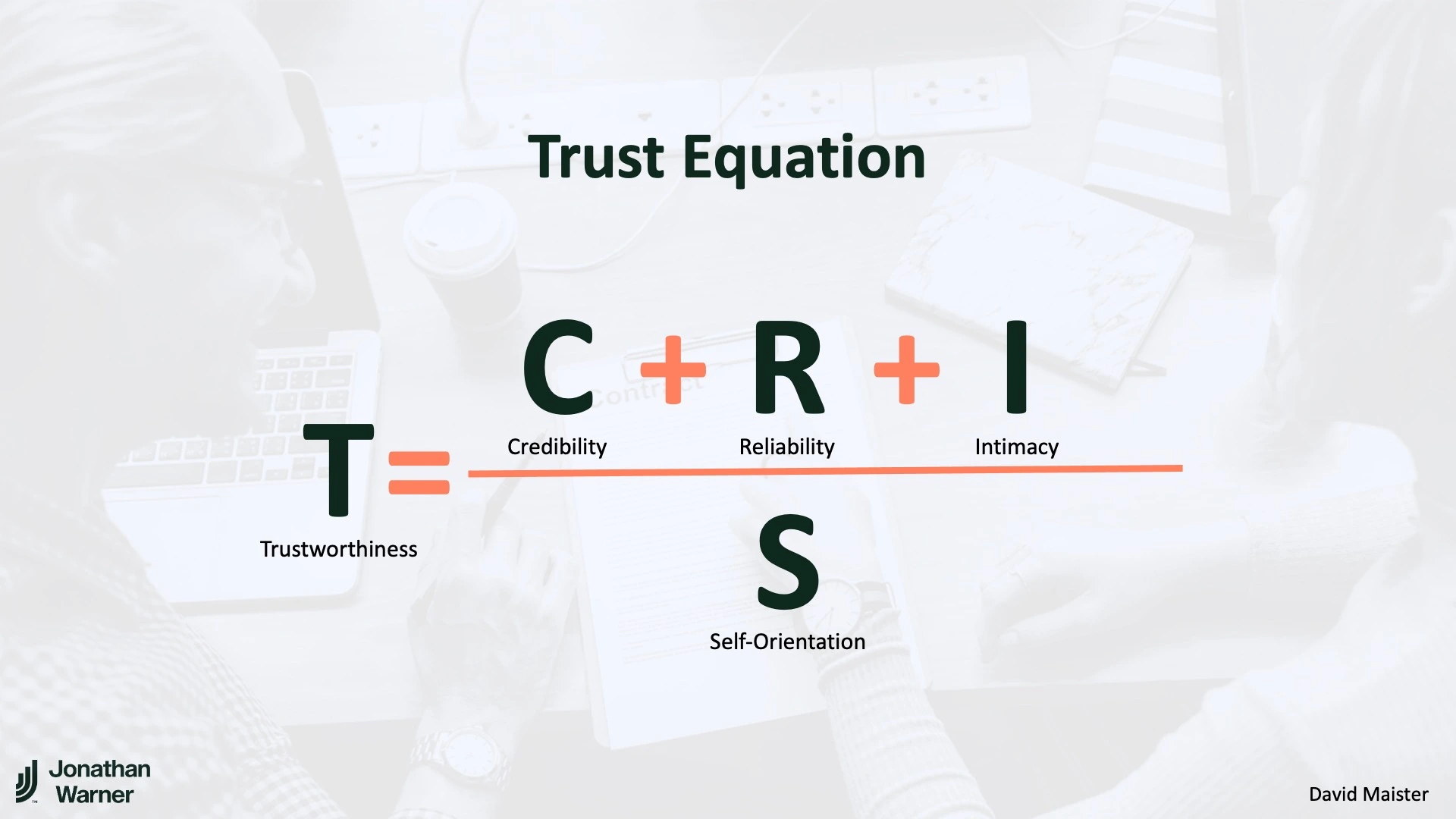
Personal Perspective
Trust, to me, is feeling safe with someone else, safe to be honest, to be imperfect, to be seen. It shows up in small moments: when someone listens without judgment, when a friend keeps a promise, when presence feels steady even in silence.
It never arrives all at once. Trust grows quietly through consistency, care, and repair when we inevitably slip.
Voices Around Me
“Loyalty.”
“If I ask someone to do something, I expect it done without chasing updates.”
“Trust is sending a meme that’s a little too personal (the kind that reveals your entire emotional state) and praying they just laugh, not forward it to the group chat.”
“Not having a doubt about someone.”
“Trust means the people in front of whom I can be vulnerable, the ones I can share any secret or intimate thought with, knowing for sure it will stay between us.”
“Feeling comfortable enough to be myself.”
Visuals & Contexts






What if trust didn’t exist?
Repair
Publish transparent decision logs, rotate review partners, and keep calendars default-open so momentum can return.
Repair
Signal safety with verifiable credentials, real-time status pages, and opt-in clarity on data use.
Repair
Re-knit connections through moderated spaces, mutual-aid rituals, and public acts of repair that rebuild belongings.
Repair
Restore care by sharing context early, inviting feedback loops, and celebrating interdependence in public.
Variations & Derivatives
Deserving of reliance, honesty, and consistency create signals people can rest on.
Active skepticism can protect, yet when it becomes default, it builds distance and doubt.
Unsteady belief stirred by mixed cues, part hope, part hesitation, waiting on clarity.
Passing responsibility or care because experience says this person will steward it well.
Verification, first security posture: assume nothing, confirm everything, limit exposure.
Interactive Experiment
Tap slowly to fill the trust bar. Rush it and you’ll reset the whole thing.

Gently begin. Trust grows with steady steps.
Lesson: Trust grows through small, consistent steps.